Disability Employment and Workplace Inclusion That Works

Disability Employment and Workplace Inclusion That Works

Discover how the Compass Institute is transforming disability employment in Australia by shifting from a deficit mindset to an asset-based culture of true belonging

Across Australia, people with disability remain significantly underrepresented in the workforce, not because of a lack of ability, but because of a lack of opportunity. While organisations speak about diversity, many still struggle to translate intention into meaningful inclusion.

The question we need to ask is not whether people with disability can contribute. It is whether workplaces are designed to recognise contribution when it looks a little different.

At Compass Institute, the answer is clear. Inclusion is not a programme added to the side of business. It is a cultural shift that begins with seeing people differently and building environments where contribution is expected, supported and valued.

Moving Beyond the “Deficit Mindset”

Traditional employment systems have been shaped by a deficit mindset – focusing on what a person cannot do rather than the unique gifts they bring. Recruitment processes often prioritise standardised pathways, linear experience and narrow definitions of capability. This unintentionally excludes people whose strengths sit outside those frameworks.

For many individuals with disability, this systematic barrier results in long periods of disengagement, underemployment or isolation. The impact goes far deeper than a missed income. It affects person’s identity, confidence and vital connection to their community.

Furthermore, businesses miss out. When inclusion is treated as compliance rather than workplace culture, organisations lose access to diverse thinking, loyalty and new ways of solving problems. The core challenge isn’t just about providing access to jobs, it’s about how we choose to value people.

Deep Insight: Head, Hand and Heart

Workplace inclusion that truly works begins with a shift from accommodation to activate participation.

Many organisations focus on adjustments, policies and frameworks. While these are necessary foundations, these alone do not create inclusion. True inclusion happens when people are seen as valued contributors first, not as individuals requiring support.

To guide this transformation, Compass Institute applies an asset-based model that identifies the Gifts of the Head, Hand and Heart. This approach reframes how employers view capability.

The Three Gifts of Contribution

  • The Gift of the Head recognises thinking, creativity and problem solving.
  • The Gift of the Hand focuses on practical contribution and work.
  • The Gift of the Heart highlights qualities such as reliability, kindness and resilience.

When workplaces engage with these dimensions, roles are naturally designed around person’s strengths rather than limitations.

Instead of asking whether a person fits a job description, organisations begin to ask how the workplace can evolve to unlock contribution. This shifts the entire dynamic, leading to more flexible roles, stronger team culture and improved staff retention.

It also builds connection, inclusion is not achieved through isolated placements. It is created through relationships, shared purpose and everyday participation.

As outlined in the Compass communication framework, connection must come before information.

This principle is equally true in employment. When people feel seen and valued, performance follows.

Real-World Impact: Inclusion in Action

Consider what happens when a trainee enters a workplace through a Compass Institute programme. Rather than being placed into a predefined role, the process begins with discovery. We ask: What are their strengths? What environments bring out their best contribution? How do they prefer to communicate and engage?

In one wonderful example, a trainee with an incredible eye for detail and a love for consistency joined a local logistics team. Initially, their exact duties were undefined. Through patient observation and everyday collaboration, the team noticed how naturally the trainee gravitated toward organization. They were soon supported to take over inventory tracking and quality checks.

Over time, their contribution became essential.

  • Accuracy skyrocketed and discrepancies vanished.
  • Team confidence grew, as colleagues reported greater confidence in stock systems.
  • The trainee developed routine, confidence and workplace relationships.

Importantly, the team also changed. Colleagues became more intentional in their communication, more aware of individual strengths and more connected in their daily work. This is the impact of genuine inclusion. It does not only benefit one person. It reshapes the entire environment for better.

A Vision for the Future

What if workplace inclusion was not an initiative, but an expectation?

What if every organisation saw potential before limitation?

What if recruitment focused on contribution, not conformity?

The Compass Institute is part of a broader movement that invites businesses to rethink how work is designed and who it is designed for. In this future, inclusion is not discussed as a challenge. It is lived as a normal part of organisational culture.

Workplaces become places of belonging, contribution and shared growth.

Key Takeaways

  • Strengths-First: Real inclusion begins by recognising what a person can do, not what they can’t.
  • Culture Over Policy: A welcoming, adaptive workplace culture matters far more than HR paperwork.
  • The Whole Person: Embracing the gifts of the Head, Hand, and Heart unlocks untapped potential.
  • The Ripple Effect: Genuine inclusion uplifts the entire team, boosting morale and communication for everyone.
  • Connection First: Sustainable employment is built on relationships, shared purpose, and everyday participation.

Frequently Asked Questions

What is disability employment inclusion?
Disability employment inclusion refers to creating workplaces where people with disability can actively contribute, grow and participate. It goes beyond hiring to include culture, role design and team dynamics. Effective inclusion focuses on recognising strengths and building environments where those strengths can be applied meaningfully.

How can businesses improve workplace inclusion?
Businesses can improve inclusion by adopting an asset-based approach, redesigning roles around strengths, providing supportive team environments and focusing on connection. Training leaders to recognise diverse capabilities and fostering inclusive communication are also key steps.

Why is disability inclusion important in the workplace?
Inclusion strengthens organisations by bringing diverse perspectives, improving team culture and increasing retention. It also supports social outcomes by enabling participation, independence and community connection for individuals.

What role does Compass Institute play in employment inclusion?
Compass Institute supports trainees and workplaces to build meaningful employment pathways. Through asset discovery and real-world engagement, Compass helps organisations create environments where people with disability can contribute and thrive.

Closing Thought

Inclusion is not about making space for someone. It is about recognising that they already belong.

When workplaces shift their perspective, they unlock not only individual potential, but collective strength. Compass Institute continues to lead this shift, building environments where contribution is expected, valued and celebrated.
Monthly Supporter

A young woman with Down's syndrome smiles warmly at the camera. She has straight, light brown hair with a fringe and is wearing a blue and white striped shirt. The background is softly blurred, showing an indoor setting.
Secure donation · Tax deductible · Change or cancel at any time

What your donation makes possible

Compass is DGR-endorsed, so donations of $2 or more can be presented as tax deductible. Australian Business Register

gift icon
Practicle Learning Materials

$16 per month

Helps provide everyday materials trainees use to learn and create, including art supplies, ingredients, seedlings, timber and other program consumables.

Gift $16 monthly

gift icon
Tools for real-world skills

$32 per month

Helps provide practical tools, uniforms and safety equipment used by trainees across Compass cafés, kitchens, retail, farm and creative programs.

Gift $32 monthly

gift icon
Community and workplace opportunities

$64 per month

Contributes to the larger environments that make long-term opportunity possible, including Compass farms, training spaces, social enterprises, buildings and essential infrastructure.

Gift $64 monthly

Choose your own monthly gift amount.Gift monthly

Choose your monthly gift

Why Compass needs donations

NDIS funding covers essential supports, but it does not fund everything needed to create exceptional learning environments, sustainable social enterprises and meaningful participation in community life.

Monthly donations give Compass reliable, flexible funding to maintain and improve the spaces, equipment, experiences and opportunities that make a lasting difference for our trainees.

From caring for the farm and maintaining learning facilities to creating pathways through cafés, retail and community activities, your ongoing support helps ensure these opportunities continue to grow, giving more people the chance to build skills, confidence, connection and a life with greater choice.

Video Thumbnail

Real human outcomes

More than a program, a whole world of possibilities.

Across five training centres in Caboolture, Caloundra, Nambour, Palmwoods and Gympie, Compass provides access to commercial kitchens, creative and multimedia spaces, gardens, farms, practical workshops and real social enterprises, including cafés, Harvest Kitchen and Wabi Sabi.

Together with volunteering, community activities and local partnerships, this provides Trainees opportunities to explore their interests, apply their learning in real situations and discover where they contribute best. Each location offers something different, so we work with every Trainee to identify the opportunities that align with their abilities, goals and support needs.

Frequently asked questions

Becoming a monthly supporter means you are part of something consistent and meaningful.
Your ongoing support helps strengthen the environments where trainees participate, build skills, develop confidence and contribute within their community every day.

Many of the most meaningful outcomes at Compass grow over time.
Monthly support provides the consistency that allows opportunities to continue, supporting the places, programs and experiences where trainees build independence, relationships and real-world capability.

Your contribution helps sustain and strengthen practical environments across Compass campuses, social enterprises and community experiences.
These are the spaces where trainees actively participate, practise skills and continue growing over the long term.
None of the monthly contributions go towards any admin costs.

Confidence, skills and independence are built through repetition and participation, not one-off moments.
Regular support helps create stability, allowing Compass to plan, improve and expand opportunities that support long-term inclusion within the community.

You are part of a wider community helping shape more inclusive environments.
Monthly support is not just about funding, it is about strengthening the conditions where people can contribute, belong and thrive within everyday community life.

Morning Tea & Lunch

Fundraising Ideas

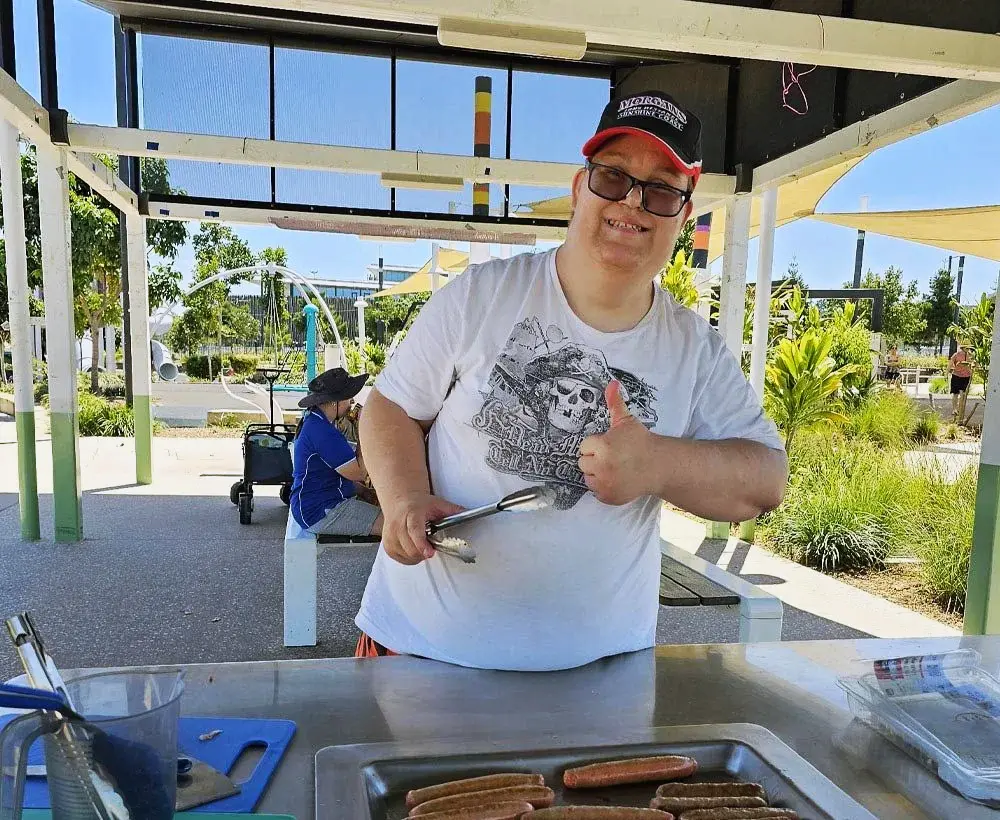
Compass Caboolture - trainee cooking a bbq

What if…

communities came together through participation

Every person deserves the opportunity to discover their strengths, build confidence, build relationships and contribute to their community.

Every year, Compass supports more than 200 trainees across South East Queensland through campuses, social enterprises, community programmes and employment pathways. While the NDIS funds many important supports, some of the opportunities that create the greatest sense of belonging, participation and growth rely on community support.

That’s where local communities make an extraordinary difference.

Whether it’s a birthday fundraiser, a community event, a personal challenge or a fundraising campaign in memory of someone special, every fundraiser helps create opportunities for people with disability to learn, grow and thrive.

The Compass difference

Compass was founded on a simple belief.

People are not defined by their disability. They are defined by their gifts, strengths, aspirations and potential.

Today, Compass supports more than 200 trainees across campuses in Caboolture, Caloundra, Nambour, Gympie and Palmwoods, along with social enterprises including cafés, retail, hospitality and community programmes that create real opportunities for participation.

We don’t focus on what people can’t do.

We focus on what becomes possible when people are given the opportunity to contribute, connect and grow.

Six people pose and smile beside a vintage Volkswagen Beetle decorated with plants on its bonnet at Connections Café Nambour. The cheerful group, some raising their arms, enjoys a sunny day outdoors near a wooden fence and lush greenery.

What your fundraiser makes possible

Many people assume the NDIS funds everything needed for a person to participate, grow and belong.

It doesn’t.

While the NDIS funds participant supports, it does not fund all the practical infrastructure, dignified environments, essential resources, community experiences and social enterprise settings that help turn a funded placement into real-world opportunity and inclusion.

That is where community fundraising makes a meaningful difference.

Your support contributes toward the spaces, tools, experiences and environments wrapped around Compass trainees and programmes, helping create the conditions where participation can continue to grow over the long term.

Welcoming Learning Environments: Practical, well-equipped spaces where trainees can build confidence, explore their strengths and take part in meaningful activities.

Dignified Facilities: Safe, accessible and respectful environments that support participation, independence and a genuine sense of belonging.

Essential Tools and Resources: The everyday equipment, materials and practical resources that help create real-world learning and participation opportunities.

Community Experiences: Opportunities for connection, contribution and involvement beyond the walls of a campus.

Social Enterprise Settings: The cafés, retail, hospitality and community-facing environments where trainees can build confidence, develop skills and be part of everyday community life.

Fundraising does not replace NDIS funding.

It helps build the world around it.

Two people stand and talk at an outdoor event with informational stalls and tents, including one for Disability Services. Others mingle in the background. Trees and bunting decorate the area, creating a festive, community atmosphere.

Local communities helping opportunity grow

The most powerful thing about fundraising isn’t the money, it’s what it says.

It says that people belong.

It says that communities care.

It says that everyone deserves the opportunity to participate.

Across the Sunshine Coast and beyond, local businesses, schools, sporting clubs, community groups and individuals are helping create opportunities through fundraising, volunteering, sponsorship and advocacy.

When communities come together, opportunities grow.

A smiling young woman wearing glasses and a blue shirt stands outside a shop, holding a wooden board with keyrings on it—perhaps inspiring others to ask, "What If?" as she stands confidently like a compass guiding new possibilities.

Join a movement creating opportunity

Every trainee who walks through a Compass campus brings unique strengths, talents and potential. The opportunities that help those gifts grow often begin with ordinary people deciding to do something extraordinary.

A birthday.

A morning tea.

A golf day.

A community event.

A personal challenge.

A fundraiser may seem small when it begins. For someone building confidence, independence, friendships and community connection, it can create opportunities that last a lifetime.

Together, we can create more opportunities for people with disability to learn, grow and thrive.

Frequently asked questions

Fundraising for Compass is about bringing people together through shared experiences that create real impact.
Whether it’s an event, challenge or personal idea, your fundraiser helps strengthen the environments where trainees can participate, connect and continue building confidence and skills within their community.

You can fundraise in a way that feels meaningful to you.
Some people celebrate milestones, others host events, take on personal challenges or create their own unique ideas.
Every fundraiser, big or small, contributes to building more inclusive community experiences.

Funds raised help support the practical environments across Compass, community events, social enterprises, learning programs and participation opportunities.
These are the spaces where trainees actively engage, develop relationships and build real-world skills over time.

Not at all.
Compass provides simple ways to get started, and you can shape your fundraiser in a way that suits your time, network and interests.
The focus is on participation, bringing people together and creating something meaningful within your community.

Your fundraiser helps create more opportunities for connection, participation and inclusion across the community.
It supports environments where trainees are not just present, but actively contributing, building relationships and growing their independence over time.

What if…

you could be the difference?

Independence Doesn’t Start With a Programme

Trainee from Gympie baking cake

Independence Doesn’t Start With a Programme

Independence after school doesn’t come from a programme alone. It grows through belief, relationships, and everyday moments where people are given space to try, learn, and build confidence over time within a supportive ecosystem.

The question that quietly changes the room

There is a moment that almost every family recognises, even if it is not always spoken out loud in the same way. It usually arrives after school finishes and the routines that once held everything together start to fall away. Someone eventually asks, sometimes while driving home or sometimes over dinner or in a meeting where everyone is trying to sound calm and practical, “So what happens now?”

Underneath that question is not just curiosity, but pressure. There is a sense that there should be a clear next step that replaces the structure school once provided and neatly answers everything that comes after it. But independence does not begin with a programme. It begins much earlier than that, in the way we see the person in front of us and what we believe is still possible for them.

And that part shapes everything that follows.

When we stop leading with what is missing

In many systems, the first instinct is to focus on what someone cannot yet do, what needs support, what needs to be managed or carefully planned around. While that approach can feel responsible and structured, it also has a way of narrowing the conversation so that even well-intended support starts to revolve around limitation rather than possibility.

Over time, that can quietly lower expectations.

At Compass, we have seen how much changes when the starting point shifts. Instead of beginning with “what are the challenges here?”, we begin with “what are the gifts this person already has, even if they are not obvious yet?”

That shift changes what people notice. You start to see how someone solves problems quietly in the background. You notice consistency, curiosity, or the way they gravitate towards certain tasks without being asked. These are not small details. They are early signs of capability forming.

We often see this with trainees who are described as quiet or unsure in groups. In structured settings, they may hold back or wait for direction. But once they are in a practical environment where things are real and hands-on, something begins to shift.

It might be small at first. They start setting up equipment before anyone asks. They begin checking what needs to be done next without waiting for instruction. None of it arrives dramatically, but over time it becomes clear that confidence is building through action, not instruction.

Families often notice it before they can fully describe it. Something is changing, even if it still feels early.

Independence is not a milestone, it is built in ordinary moments

There is a common belief that independence is something you eventually achieve once enough skills are ticked off. In reality, it is built through a long series of ordinary moments that rarely look significant on their own.

It might be catching public transport without checking in every step of the way. It might be deciding what to cook and following through even if it is not perfect. It might be introducing yourself in a group without rehearsing it repeatedly beforehand.

None of these moments feel like turning points when they happen. But over time, they change how a person sees themselves and what they believe they are capable of doing next.

This is also where families often feel tension. Stepping back, even slightly, can feel uncomfortable when you care deeply about someone’s safety and future. The question underneath it is usually, “What if they struggle?”

They probably will at times. But struggle is not the problem when it happens in a supported environment where someone has space to try, space to learn, and space to try again. Without that, confidence cannot form in a meaningful way.

A simple phrase that often helps is, “I am here if you need me, but I trust you to give it a go.” It does not remove support. It changes its position. It allows ownership to sit with the person while still keeping connection close.

That balance is where confidence starts to become real.

It is never one programme, it is always a connected ecosystem

Another common assumption is that independence comes from finding the right programme, as if one decision will unlock everything that follows. But real life does not work that way. Growth is always shaped by a wider ecosystem of relationships, environments and opportunities that connect over time.

Families provide continuity and care. Educators bring understanding of learning and readiness. Support coordinators help connect goals to practical pathways. Mentors bring lived experience and real-world skills. Community and workplace environments turn learning into participation.

When these parts begin to connect, even loosely, something important happens. Learning stops feeling separate from life and starts becoming part of it.

That is why hands-on environments matter so much. When a trainee learns hospitality, woodworking, or another practical skill alongside someone doing that work in the real world, the experience changes completely. It is no longer just practice. It becomes participation, with real expectations, real feedback, and real contribution.

And that is where growth tends to accelerate.

Where things begin to shift

If you are in that post-school space right now, whether as a parent, coordinator, or young adult, the pressure often feels like you need to solve everything quickly. But clarity rarely comes from rushing. It usually comes from slowing down enough to ask better questions and actually listen to the answers.

Instead of focusing immediately on support needs, it can help to ask what someone naturally enjoys when they are not being directed. You might also ask what they are curious about, even if they are not confident yet, or what a good week would actually look like if it felt meaningful rather than just structured.
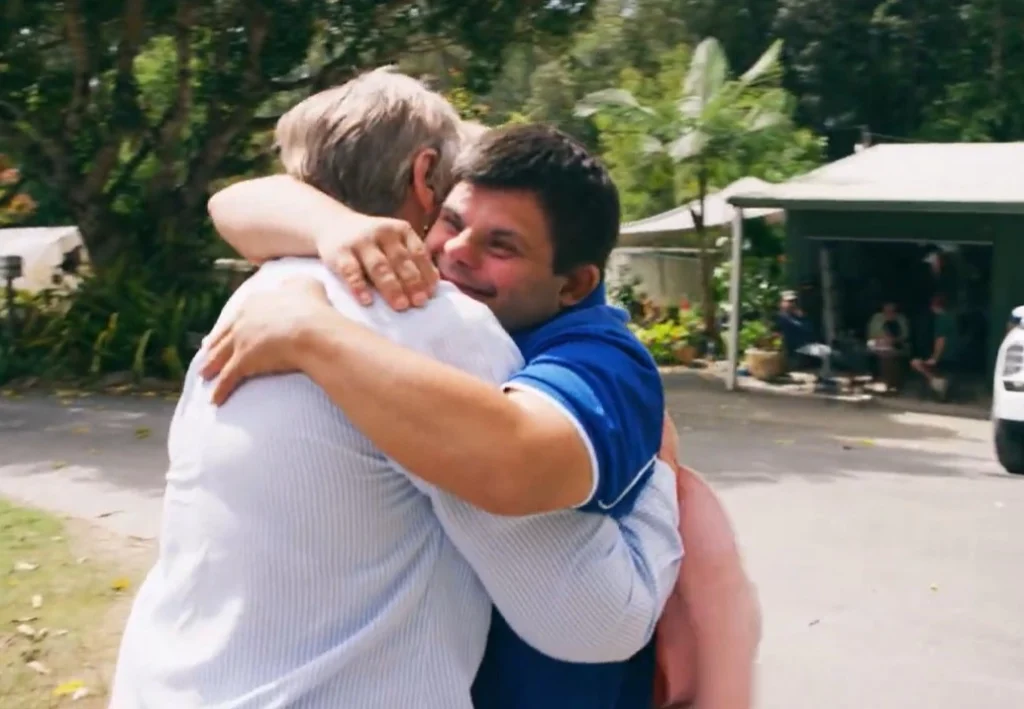
The answers are often not complete, but they are revealing. They point towards direction in a way formal planning sometimes misses.

From there, the next step is environment. Independence grows best in places where people are expected to participate, not just attend, where trying things is normal, where mistakes are part of learning, and where support is present without taking over the experience.

Conclusion: a clearer starting point

The question “what happens after school?” does not need a perfect answer straight away. What it needs is movement in the right direction.

When we stop leading with limitation and start leading with capability, when we build connected environments instead of isolated supports, and when we understand that independence is formed through everyday experience rather than delivered through a single programme, things begin to open up.

Not quickly, but steadily.

And that is usually enough to begin.